The Five Sacred Rules of Slam Poetry That Will Transform Your Writing
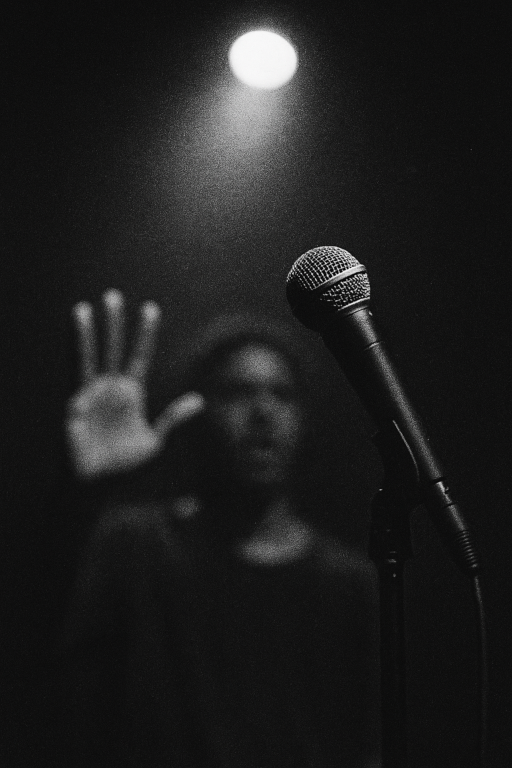
Raw, the slam poetry stage doesn't forgive hesitation. It rewards authenticity, punishes pretense, and transforms writers into performers in ways that traditional poetry never demands. Whether you're considering your first open mic or looking to sharpen your competitive edge, understanding slam poetry's five fundamental rules isn't just about following guidelines, it's about mastering a craft that bridges the gap between page and performance.
Rule One: Original Creation Only
Your poem must spring from your own creative well. This doesn't mean you can't reference other works, sampling and signifying are not only allowed but celebrated in slam culture. Think of how hip-hop artists weave existing melodies into new compositions. You might echo a line from Shakespeare or riff on a popular song, but the poem's heart, structure, and voice must be unmistakably yours.
Consider how spoken word legends like Sarah Kay transform personal experience into universal thoughts. The originality rule protects this sacred space where your authentic voice can emerge. When you write for slam, you're not just crafting verses, you're excavating your noema and presenting it raw to strangers who become witnesses.
Craft tip: keep a “voice journal" where you write in your most natural speaking rhythm. This becomes your slam foundation, the authentic cadence that no one else can replicate.
Rule Two: No Props, No Costumes
Slam poetry strips performance down to its essence: you, your words, and your delivery. The microphone stand might be there, but beyond that, you're working with the most powerful props you possess, your voice, your body language, and your presence.
This constraint forces you to become a master of internal imagery. Without visual aids, your metaphors must paint pictures so vivid they appear in listeners' minds. Your gestures become punctuation marks, your pauses become dramatic beats, and your vocal inflections become the soundtrack to your story.
Think of this rule as slam's gift to writers who've always felt their work was meant to be heard, not just read. You'll discover muscles in your craft you never knew existed when you can't rely on anything external to carry your meaning.
Rule Three: Three Minutes Maximum
Time is your crucible. Three minutes, with a ten to twenty-second grace period depending on the competition, to capture hearts, change minds, or shatter assumptions. This isn't arbitrary; it's slam's recognition that attention is precious and impact can be instantaneous.
The three-minute rule transforms you into a precision engineer of language. Every word must earn its place. Every line break becomes strategic. You'll find yourself cutting beautiful phrases that don't serve the poem's purpose—a painful but essential skill that will strengthen all your writing.
Performance poets like Shane Koyczan demonstrate how three minutes can contain lifetimes of meaning. His poem “To This Day" proves that brevity and depth aren't opposites, they're dance partners.
Craft tip: Write your slam poems long first, then sculpt them down. The cutting process reveals which images are truly essential and which are merely decorative.
Rule Four: No Musical Instruments or Pre-recorded Audio
Your voice is your instrument, the only one you need. This rule preserves slam's democratic spirit; every poet competes on equal footing, regardless of their access to musical equipment or technical resources. Beat-boxing, vocal percussion, and singing are welcome because they emerge from the same source as your words: you.
This constraint pushes poets to discover the musicality inherent in language itself. Rhythm becomes a matter of syllable placement. Melody lives in the rise and fall of your inflection. The percussion section is handled by your consonants, while vowels carry the sustained notes.
Without instrumental accompaniment, you learn to trust that words alone can create the emotional crescendos and intimate whispers that make audiences lean forward or sit back in recognition.
Rule Five: Scoring and Competition Structure
Five judges, five scores, drop the highest and lowest, this mathematical democracy determines slam winners, but understanding the scoring system reveals something deeper about the art form. Judges award points from 0 to 10, often using decimal places to create nuanced rankings. The competitive element isn't slam's weakness; it's its engine.
The scoring system teaches poets that impact is measurable, even if subjectively. A 10 doesn't mean perfection, it means a poem that moved that particular judge in that specific moment. This variability reflects poetry's truth: different stories resonate with different people, and your job isn't to please everyone, but to reach someone completely.
Competition transforms the solitary act of writing into a communal experience. You learn to read rooms, to feel when a metaphor lands or when a pause stretches too long. The scores become feedback loops, teaching you which risks pay off and which flourishes distract from your core message.
Craft tip: Attend slams as an audience member before competing. Watch how different styles score, but more importantly, notice which poems you remember walking home. Those are your teachers.
Beyond the Rules: The Slam Poet's Mindset
These five rules create a container, not a cage. Within these boundaries, slam poetry becomes a laboratory for fearless expression. You'll discover that constraints often liberate creativity rather than stifle it. When you can't hide behind elaborate staging or instrumental backing, you must trust your words completely.
The slam community understands something that traditional literary circles sometimes forget: poetry was oral long before it was written. These rules reconnect us with that primal power of voice, rhythm, and shared breath in a room full of listeners.
For writers transitioning from page to stage, slam offers unique gifts. You'll develop an ear for how language sounds in mouths and hearts, not just minds. Your line breaks will become more intentional when you feel how they affect breathing. Your word choices will sharpen when you experience their weight on your tongue.