
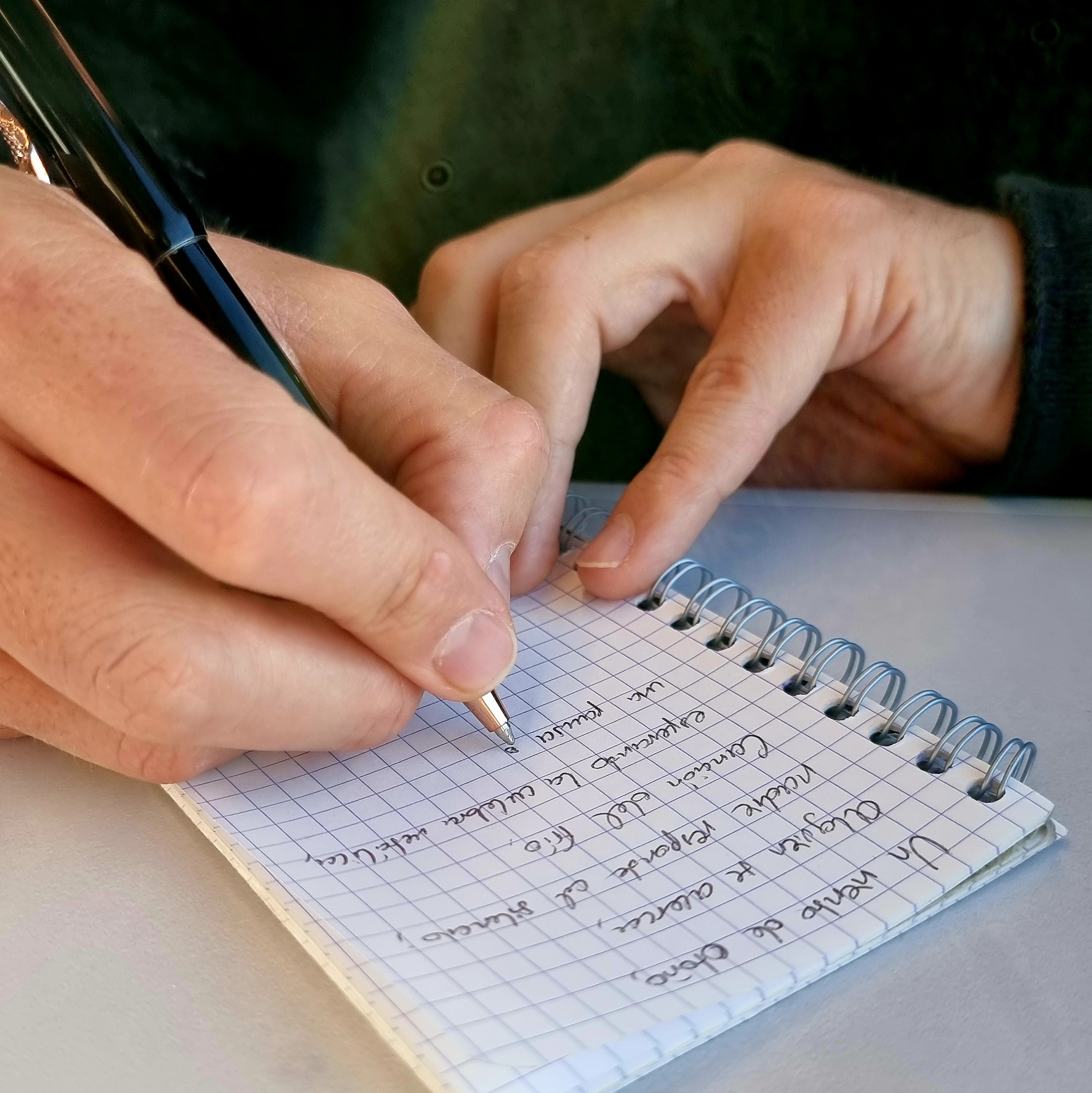
WRITER TIPS is a space for writers, readers, and thinkers who believe that words matter.
Here you’ll find reflections on the craft of writing, the inner life of the writer, literary forms and traditions, and the role literature plays in shaping, and resisting, the world we live in. This section is not about shortcuts or formulas, but about depth: how writing is made, why it endures, and what it asks of us as creators and readers.
Whether you write poetry, fiction, essays, or simply read with attention, this is a place to sharpen your language, your thinking, and your relationship with literature itself.

This category explores how writing is made.
Here you’ll find essays on technique, structure, style, language, and revision, from poetry to prose, from form to rhythm. Writing Craft focuses on the practical and technical foundations of writing, not as rigid rules, but as tools in service of clarity, intensity, and meaning.
For writers who want to deepen their practice and understand the mechanics behind powerful writing.
Writing does not begin on the page, it begins in the mind.
This category explores the psychological, ethical, and emotional dimensions of writing: doubt, discipline, obsession, responsibility, and purpose. It addresses what it means to live as a writer, to think like one, and to sustain a creative practice over time.
For those interested in the inner landscape behind the words.

Literature takes many shapes, and each shape carries meaning.
This category examines literary genres and forms: poetry, dystopia, satire, essays, haiku, flash fiction, and beyond. You’ll find explorations of traditions, evolutions, boundaries, and hybrids, as well as reflections on why certain forms emerge in certain times.
For readers and writers who want to understand why literature looks the way it does.
Reading is an active act.
This category is devoted to interpretation, influence, and literary engagement, how texts shape us, disturb us, teach us, and stay with us. It includes reflections on reading practices, key works, difficult texts, and the meanings we draw from literature across time and cultures.
For readers who want to read more deeply, attentively, and critically.

Literature does not exist in isolation.
This category focuses on the relationship between writing and the world: politics, culture, power, crisis, resistance, and collective imagination. It explores how literature reflects society, challenges it, and sometimes anticipates its fractures.